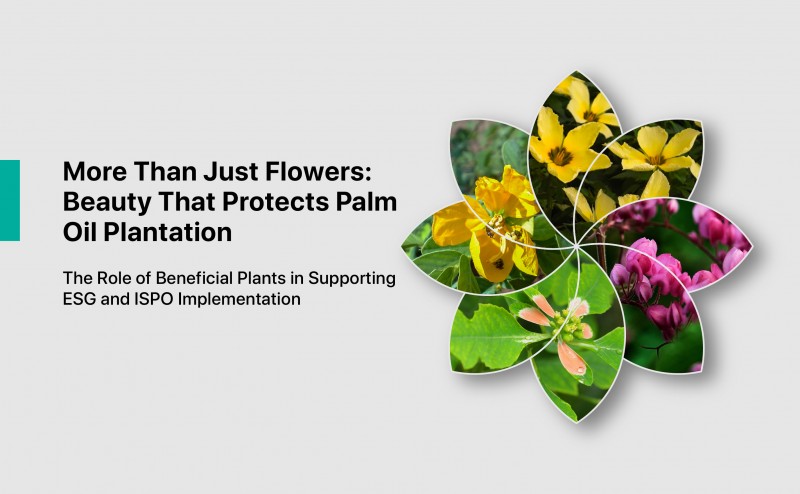
In modern palm oil plantation management, productivity is no longer the sole indicator of success. Along with the growing demand for sustainability, environmental, social, and governance aspects have become integral to agronomic practices in the field. The principles of Environmental, Social, and Governance (ESG), along with the implementation of Indonesian Sustainable Palm Oil (ISPO), encourage palm oil plantation companies to adopt more responsible, ecologically based, and long-term–oriented management practices. In this context, the utilization of flowering plants as beneficial plants has emerged as a relevant, practical, and proven approach.
Flowering plants such as Turnera subulata, Antigonon leptopus, Cassia cobanensis, and Euphorbia heterophylla play an important role in maintaining ecological balance within palm oil plantations. The consistent cultivation of these plants contributes to natural pest population control and gradually reduces dependence on chemical pesticides.
The concept of beneficial plants is rooted in the understanding that palm oil plantations are living ecosystems, not merely production areas. Within these ecosystems, natural life cycles and food chains function as they should. When managed with the right agronomic approach, supporting plants provide food sources, habitats, and shelter for various natural predators of palm oil pests. The greater the diversity and abundance of beneficial plants, the higher the population of natural enemies that help maintain ecosystem balance.
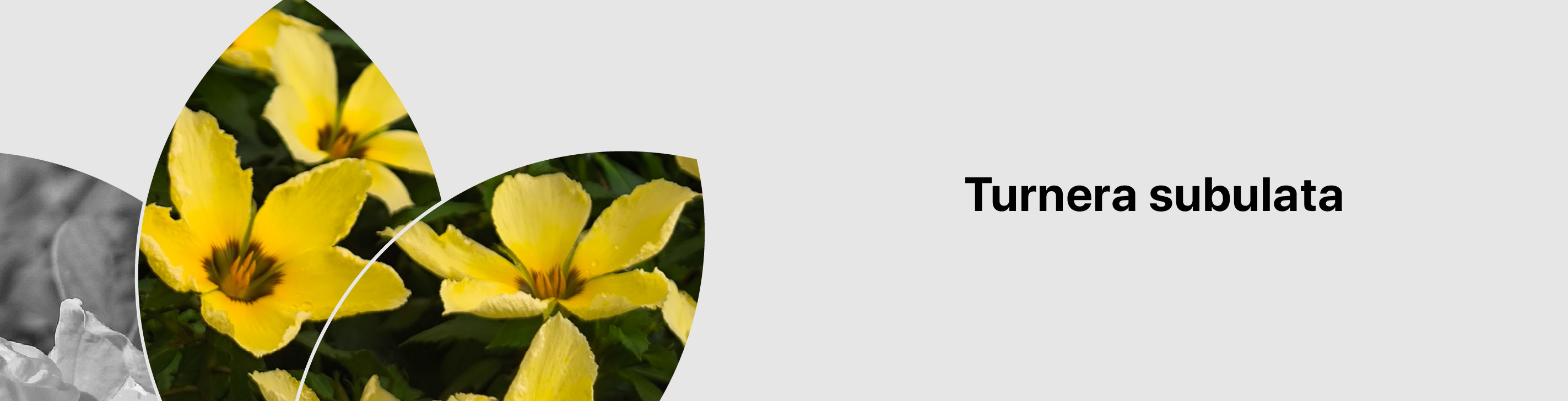
Commonly known as the “eight o’clock flower,” Turnera subulata blooms fully at around eight o’clock in the morning, true to its nickname.
Turnera subulata is one of the most widely applied flowering plants in palm oil plantations. Its adaptive nature, ease of cultivation, and long flowering period make it a stable nectar source for various beneficial insects.
One of the key natural predators supported by Turnera subulata is Sycanus sp., an insect that preys on leaf-eating caterpillars such as fireworms. These pests can disrupt photosynthesis, leading to reduced fruit quality and yield in affected plant. Turnera subulata is relatively easy to propagate through stem cuttings and remains productive for approximately two to five years.
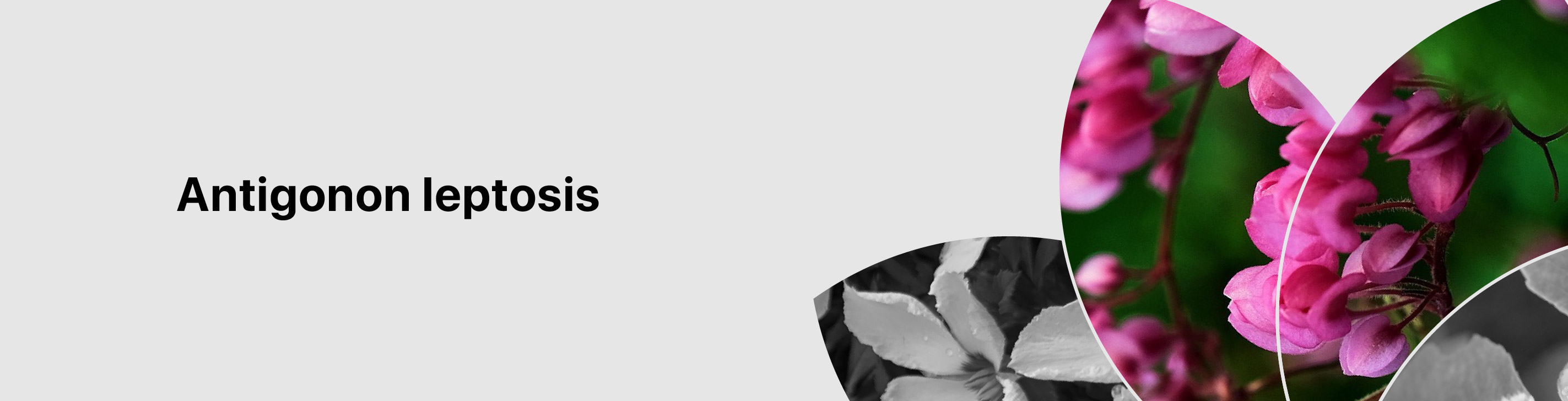
Antigonon leptopus, a climbing plant with high nectar production, contributes to pest control on a broader scale. Its flowers effectively attract medium to large predators, including parasitoid wasps (Braconidae and Ichneumonidae), spiders, dragonflies, and predatory bugs. These insects play a crucial role in controlling leaf-eating larvae and sap-sucking pests commonly found in palm oil plantations.
This plant is typically cultivated in non-productive areas, such as plantation road edges and inter-block roads. Its striking purplish-pink flowers also enhance the visual landscape of the plantation.
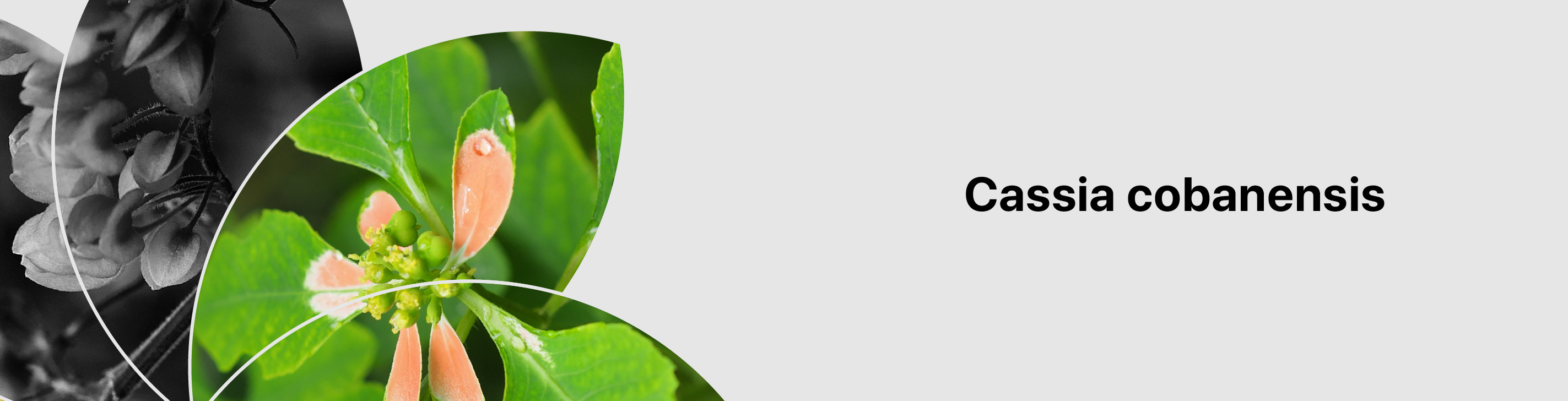
Similar to Antigonon leptopus, Cassia cobanensis attracts medium to large predators. Parasitoid wasps, spiders, and predatory beetles are commonly found on this plant due to its large, open flowers that allow easy access to nectar. These predators actively control major palm oil pests, including fireworms and bagworms. In addition to roadside planting, Cassia cobanensis is widely established in conservation areas and biodiversity zones, strengthening ecosystem resilience against pest outbreaks.
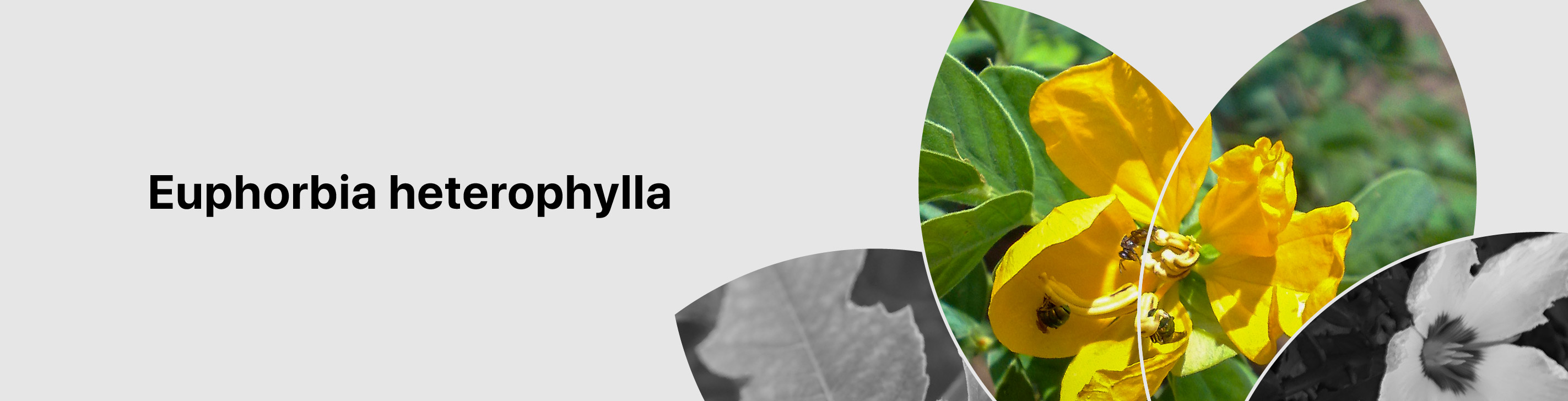
Meanwhile, Euphorbia heterophylla is often perceived as a weed that should be removed. However, modern agronomic practices view this plant more proportionally. Its flowers provide nectar for small parasitoids such as Trichogramma spp., small beetles, and ants. These natural enemies help control pest eggs and early developmental stages, particularly small-scale pests. Together with other flowering plants, Euphorbia heterophylla completes a natural pest control chain, from early life stages to adult insects, supported by a diverse population of beneficial plants.
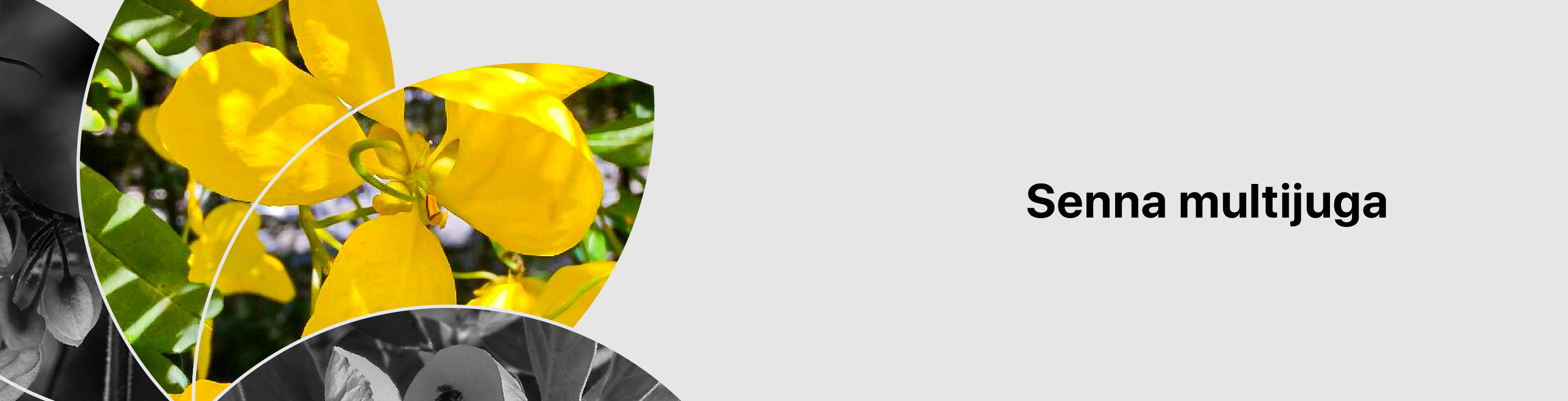
Lastly, Senna multijuga also plays a role in natural pest control through a unique mechanism. Unlike other flowering plants that attract predators for feeding or shelter, Senna multijuga controls pests independently. This plant emits substances similar to pheromones that attract rhinoceros beetles (Oryctes rhinoceros). The beetles feed on the bark of its branches, which is believed to contain toxic compounds, ultimately causing high mortality among the pests. This distinctive mechanism highlights another ecological function of flowering plants within plantation systems.
The Company utilizes these flowering plants as part of an integrated and environmentally friendly plantation management strategy. This approach supports the gradual reduction of insecticides and other chemical inputs that are not aligned with sustainability principles. Employees are continuously encouraged to recognize that these plants are not merely aesthetic features, but a long-term strategic investment in maintaining the health and sustainability of palm oil plantations across operational areas.